Company news
Taking Care of Elderly Parents at Home
The goal of home care is not simply to assist with tasks but to support independence and quality of life. Many older adults feel happiest remaining in familiar surroundings where they feel comfortable and secure.
By combining family involvement with professional care support when needed, it’s possible to create a balanced approach that supports both the individual receiving care and the people who love them.
Taking care of elderly parents at home can be a rewarding experience, but families need to recognise their own limits and seek help when necessary. Planning and exploring available care options can make a significant difference to everyone involved.
With the right support, older adults can continue to live safely, comfortably, and with dignity in the place they know best, their home.

Many families reach a stage where a parent or older relative needs additional support at home. Whether this change happens gradually or suddenly, stepping into a caring role can feel both meaningful and challenging. Most people want their loved ones to remain comfortable and independent for as long as possible, and home care can make that possible with the right support in place.
If you are taking care of elderly parents at home, understanding the responsibilities, challenges, and available options can make the experience more manageable for everyone involved.
Understanding Changing Needs
As people age, everyday tasks that once felt simple can become more difficult. Mobility may decline, health conditions may develop, and energy levels can change. These shifts often happen gradually, which means families sometimes adapt without realising how much responsibility they have taken on.
Common areas where older adults may need support include:
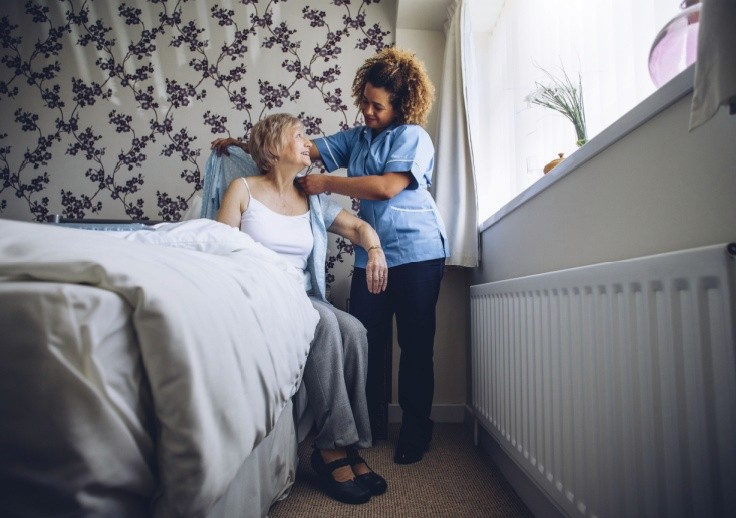
• Personal care, such as washing and dressing
• Preparing meals and maintaining good nutrition
• Managing medication and health appointments
• Moving safely around the home
• Maintaining social interaction and emotional wellbeing
Recognising these changes early can help families plan the right type of support before challenges become overwhelming.
Balancing Care and Everyday Life
Family carers often juggle multiple responsibilities at once. Work commitments, parenting, household tasks, and caring for an older relative can all compete for time and attention. While many families are happy to help, the pressure of managing everything alone can become difficult over time.
Taking care of elderly parents at home can involve emotional as well as practical challenges. Watching a loved one become more dependent can be upsetting, and it’s common for carers to feel worry, guilt, or exhaustion.
This is why it’s important to remember that seeking help is not a failure. Professional care support can work alongside families, helping ensure loved ones receive the assistance they need while relieving some of the pressure on relatives.
Making the Home Environment Safer
Creating a safe and comfortable living environment is an important part of caring for an elderly parent at home. Small adjustments can often make a significant difference.
Families may consider:
• Improving lighting throughout the home
• Removing trip hazards such as loose rugs
• Installing handrails or grab bars where needed
• Ensuring frequently used items are easy to reach
• Encouraging regular movement to maintain mobility
These changes can help reduce the risk of falls and support greater independence.
Knowing When Extra Support May Be Needed
In many cases, family support works well initially. However, there may come a point where additional help is needed to maintain safety and wellbeing.
Some signs that extra support could be beneficial include:
• Increased difficulty with personal care or mobility
• Frequent forgetfulness around medication or appointments
• Concerns about safety when left alone
• Loneliness or reduced social interaction
• Family carers feeling overwhelmed or exhausted
When these situations arise, professional home care can provide valuable support.
For example, Private Care can offer flexible visits to assist with daily routines, while Live-In Care provides continuous one-to-one support for those who need more consistent help at home.